“A journey through time—
in a fleeting moment.
Everything drifts slowly,
floating through the air—
round and gentle,
sometimes swift.
The sun sinks with a fading melody.
Silence seeps into the body.
Then comes true darkness.
Into deep, deep sleep—
shimmer dots of light,
the great voices of the smallest beings.
In this reality
that feels far from the world,
I learn
the true rhythm of life.
Who would believe
that I am here,
in Tokyo,
in the Reiwa era.”
The HIGASHIBABA family, serving as a priestly family of Musashi Mitake Shrine, has preserved their way of being for over 400 years—carrying forward a living legacy of Japanese history and culture.
The HIGASHIBABA Family Legacy and Historic Residence
A Noble Lineage Tracing Back to One of Takeda Shingen’s Four Generals
The HIGASHIBABA family is believed to descend from Baba Mino no Kami Nobuharu, a distinguished samurai and retainer of the legendary warlord Takeda Shingen. Nobuharu is remembered as one of the celebrated “Four Generals of Takeda,” an elite group of commanders renowned for their loyalty, courage, and strategic brilliance during Japan’s Sengoku period.
For more than four centuries, the family has continued the hereditary roles of Oshi—traditional pilgrimage hosts who welcomed and guided worshippers—and Totonoshi, harmonizing guides who help visitors bring mind and body into balance. As a Shinto priestly family, they have long upheld the faith and traditions of Musashi Mitake Shrine, an ancient mountain shrine perched high above the forests of Mt. Mitake and often called the “Shrine in the Sky.”
Through the generations, the HIGASHIBABA family has preserved a living thread of Japan’s history, faith, and culture. Today, the 14th- and 15th-generation couples serve together as Oshi and Totonoshi, while three young members of the 16th generation continue to grow.
Their story is not only history—it is a living tradition that continues today.
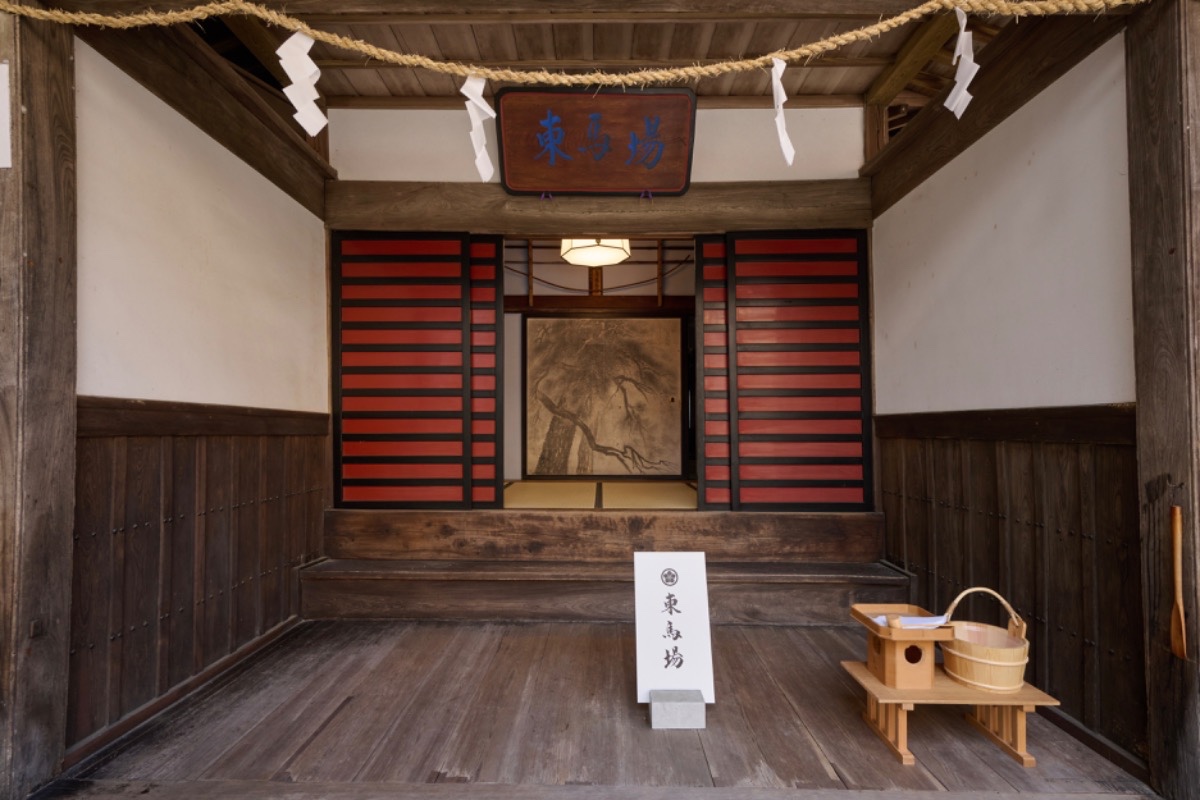
Timeless History and Value Preserved in a Tangible Cultural Property
Standing at an elevation of 816 meters on Mt. Mitake in Tokyo, the HIGASHIBABA residence was completed on June 16, 1866. Remarkably, the building remains almost entirely as it appeared in the late Edo period. Recognized as a historically significant architectural treasure, it is registered as a Tangible Cultural Property of Tokyo under the name “The Baba Family Oshi Residence.”
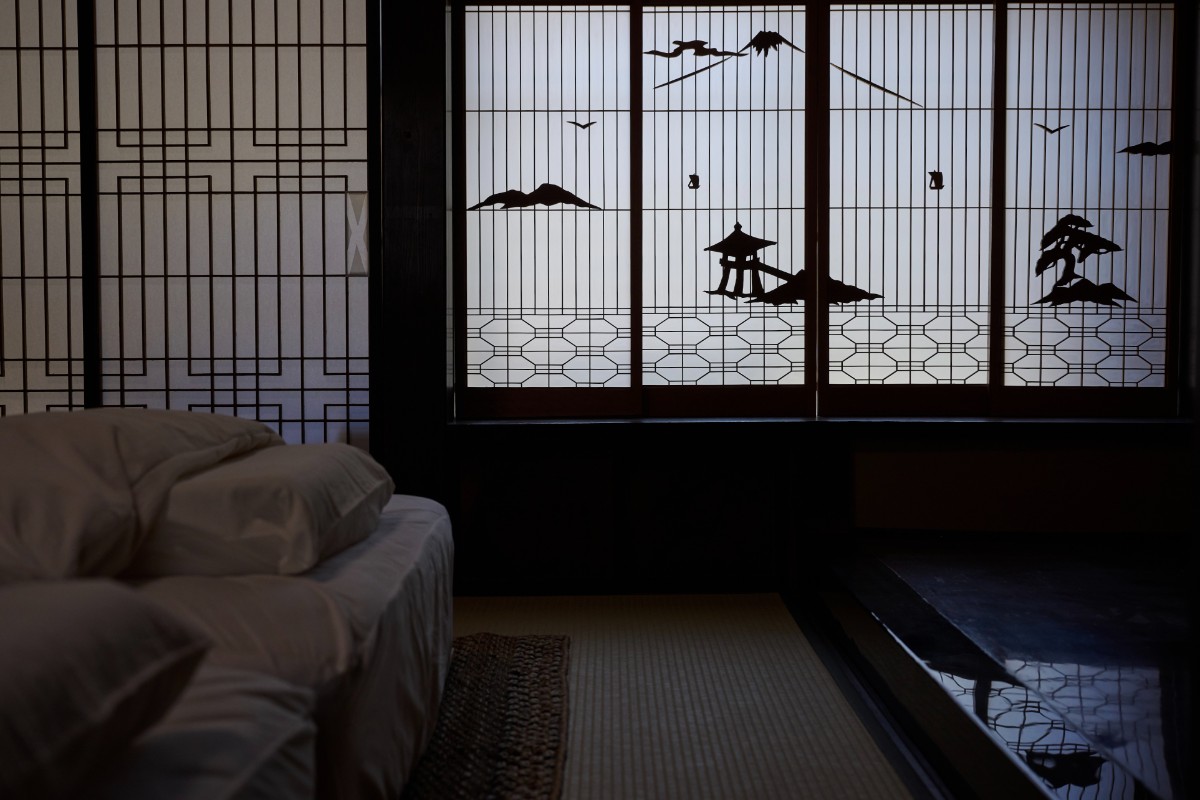
Passing through the gate feels like the beginning of a journey across time, instantly drawing visitors into the world of the late Edo period. The aged beams and pillars quietly speak of the centuries they have endured, while the creak of the wooden floorboards carries the echoes of those who once walked here.
The atmosphere that fills this place resonates with the distant sound of shrine drums and the whisper of wind through the trees. Together they create a serene presence that gently washes away the noise of everyday life and invites a sense of quiet purification.
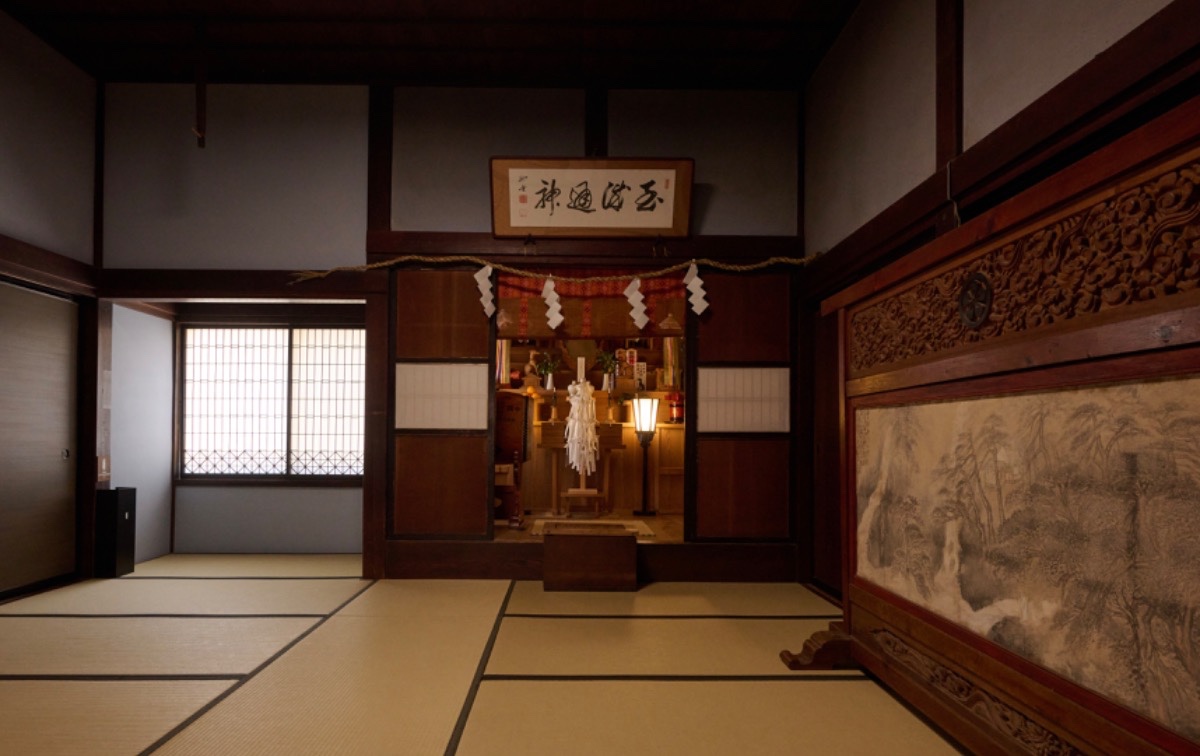
A Shukubo of Family Bonds and Living History
This building is said to have been constructed by the 10th head of the HIGASHIBABA family with a thoughtful intention: so that his beloved wife would not feel lonely. It was built with the same layout as her family home, a gesture that quietly reflects the couple’s deep bond.
That sentiment lends a gentle warmth to the otherwise solemn structure. Even today, descendants of the HIGASHIBABA family continue to live here while welcoming worshippers as a traditional shukubo lodging.
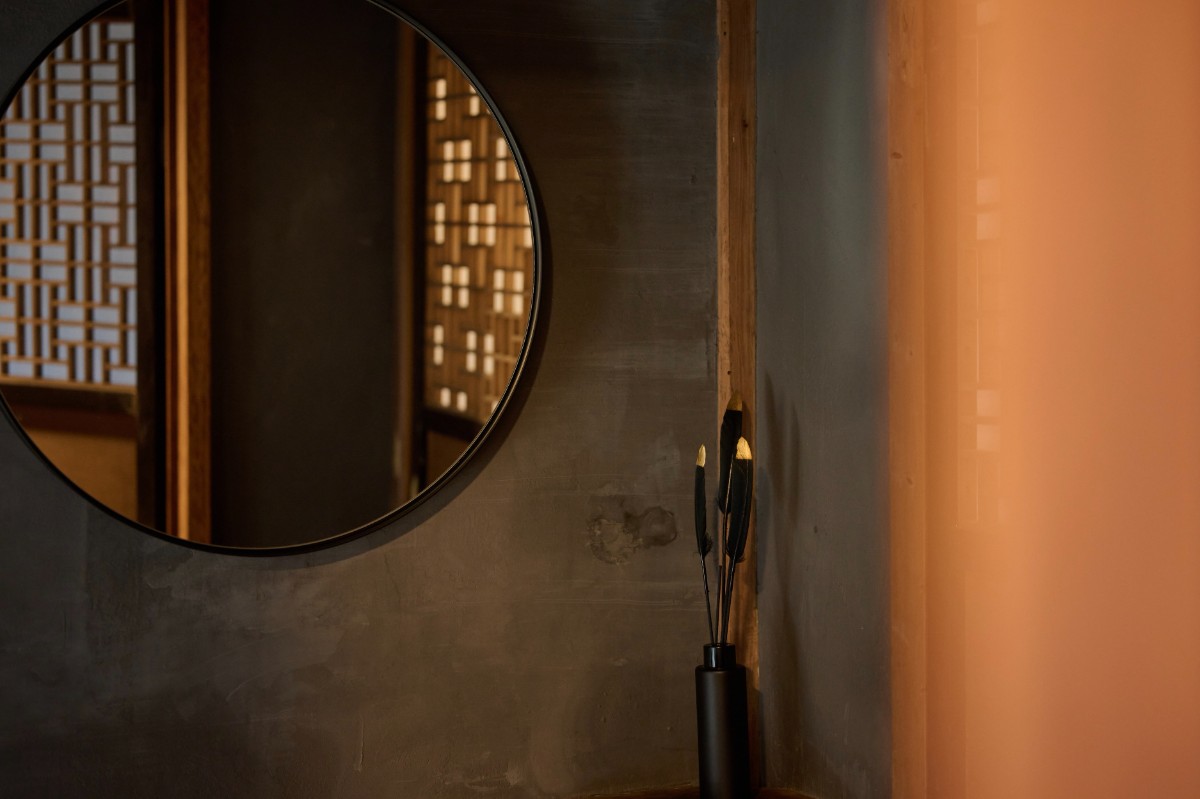
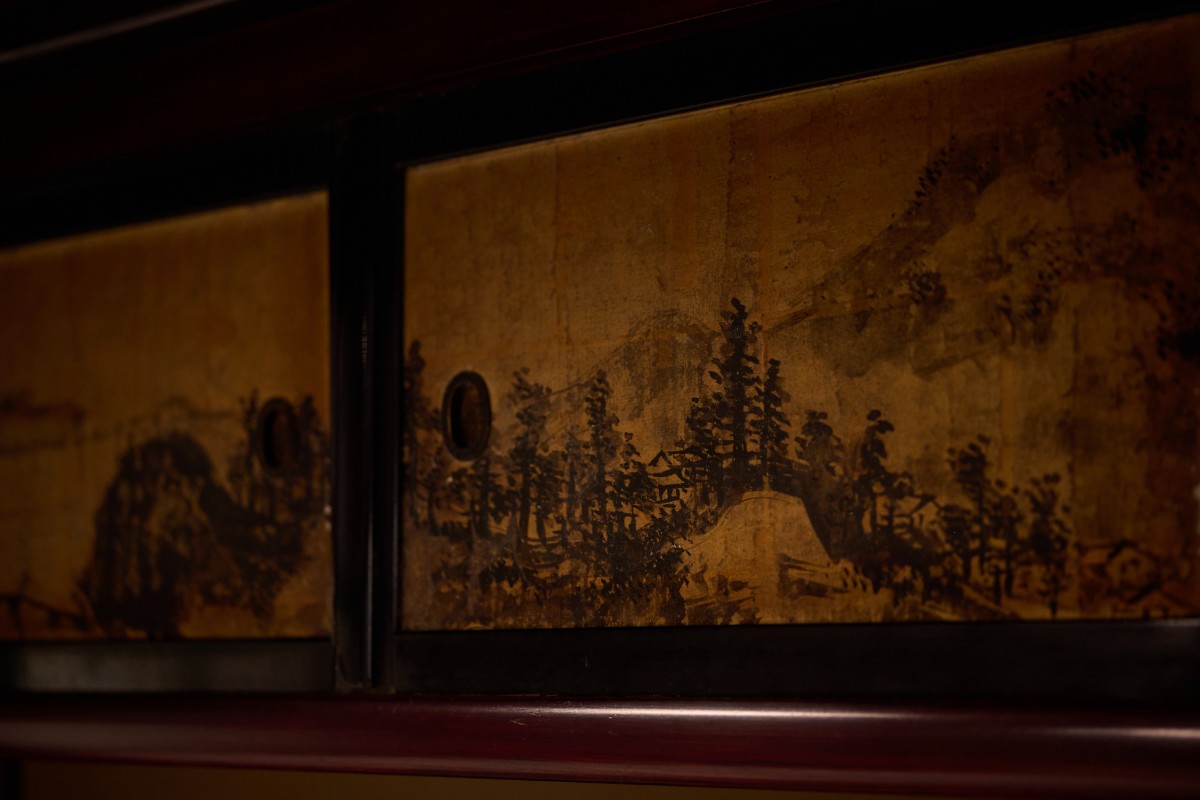
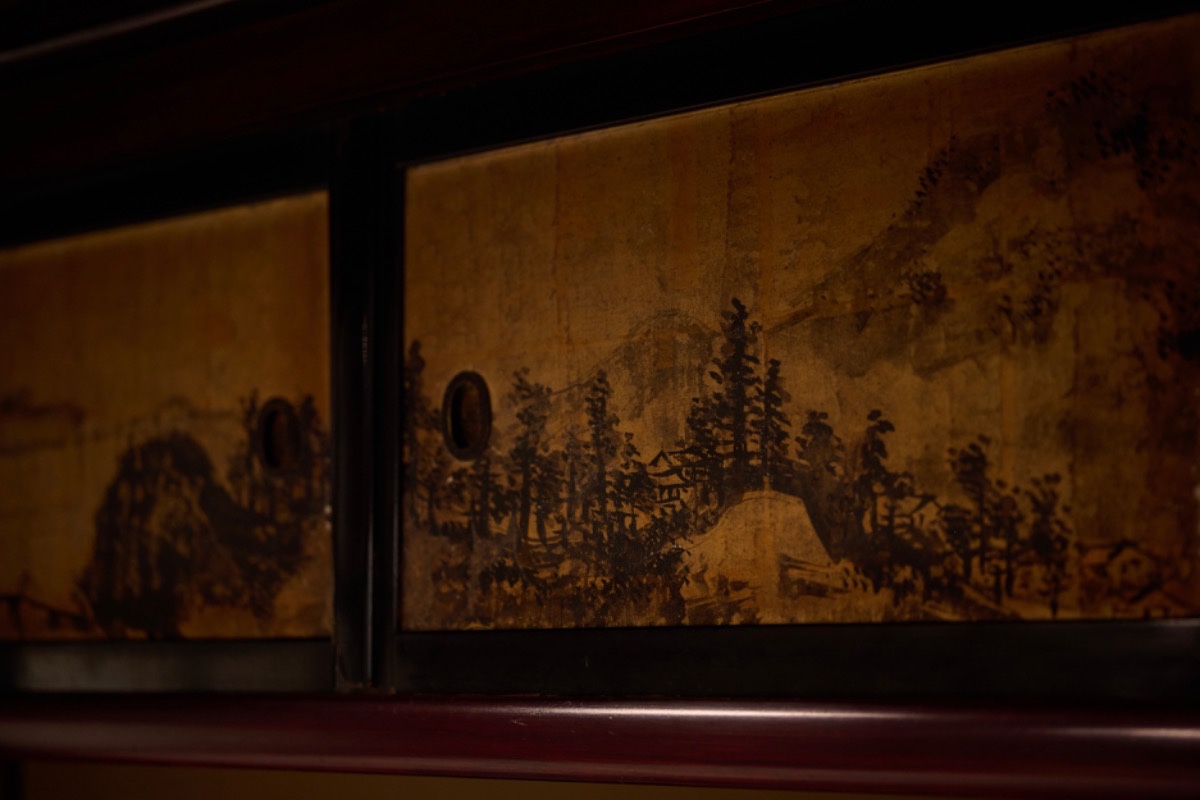
Inside, the house reveals both dignity and traces of everyday life from centuries past. Formal rooms reminiscent of shoin-zukuri architecture and a family shrine reflect its sacred character. At the same time, soot marks from the former hearth, windows without glass, and old graffiti remain as they were—small remnants of lives once lived here.
Far removed from modern convenience, this traditional residence beautifully embodies the ingenuity and wisdom of the Edo period. A stay at HIGASHIBABA offers more than an appreciation of Japan’s architectural heritage; it is also a rare opportunity to encounter the living story of a family whose daily life has long been intertwined with history.
What is Shukubo?
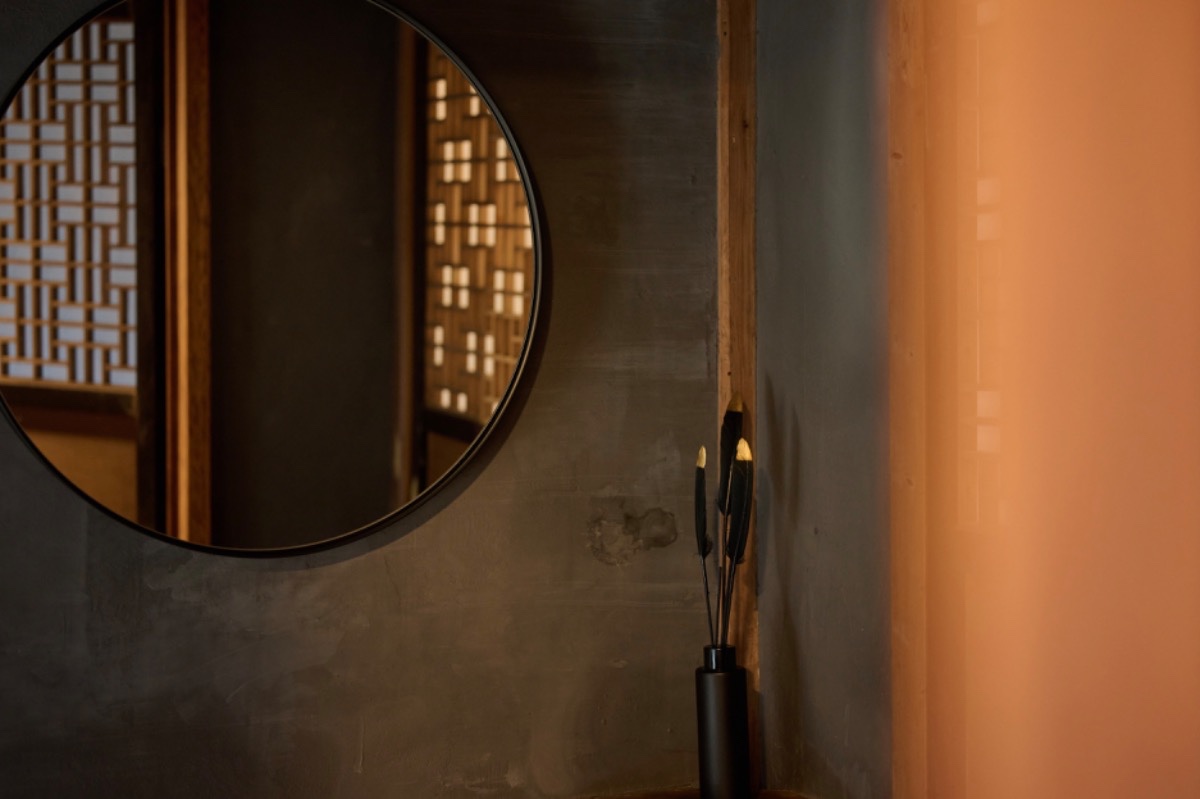
Where the Sacred Meets the Traveler
A shukubo is a type of lodging originally established at shrines and temples to accommodate worshippers and monks.
Over time, these lodgings began welcoming travelers as well, gradually evolving into places where guests can experience Japanese cultural and spiritual traditions.
At HIGASHIBABA, this experience is offered in an authentic setting—a historic residence where the family continues to live while welcoming visitors, allowing guests to encounter Japanese history, faith, and daily life in their living context.
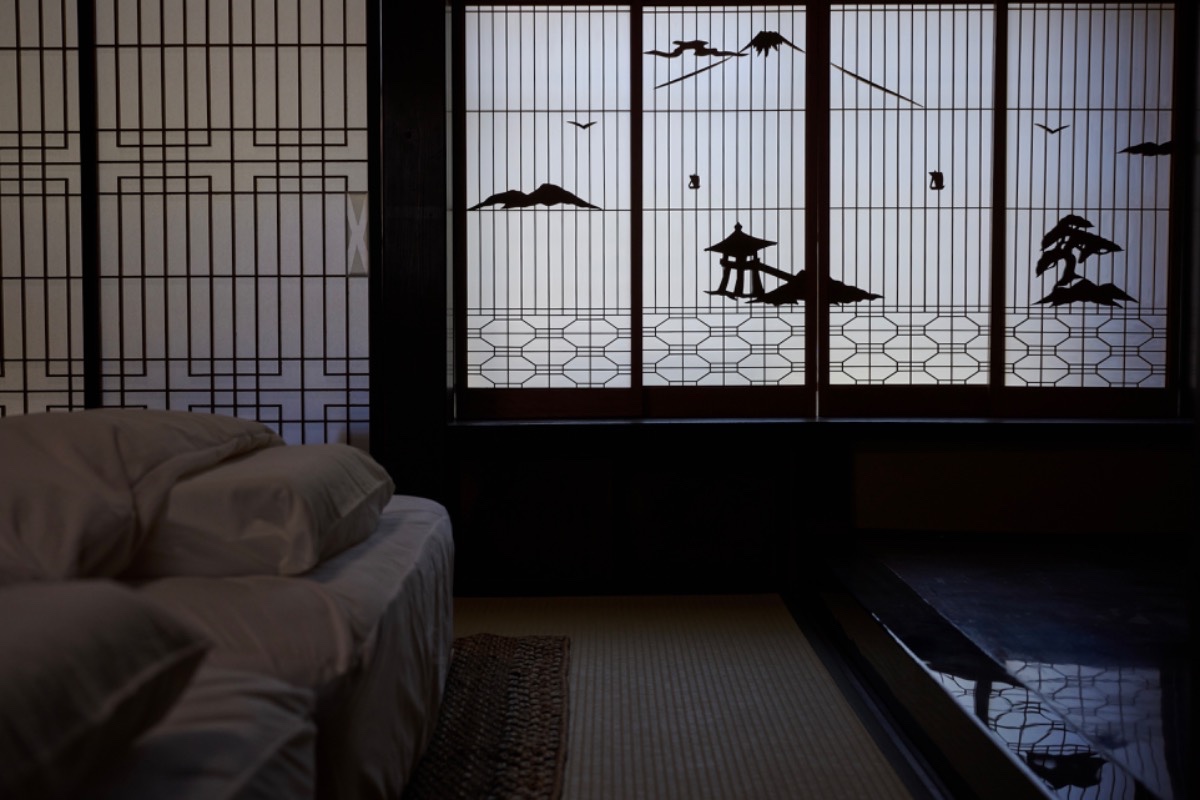
In the Embrace of History and Nature
The shukubo of Musashi Mitake Shrine on Mt. Mitake is a place where history and nature quietly meet. Here, visitors can encounter Japanese traditions while spending time in the stillness of the mountain and its clear air.
For worshippers, it is a sacred place for prayer and ritual. For travelers, it offers a stay in harmony with history and nature. This distinctive atmosphere has drawn people here across generations and continues to captivate visitors today.
What is an Oshi?
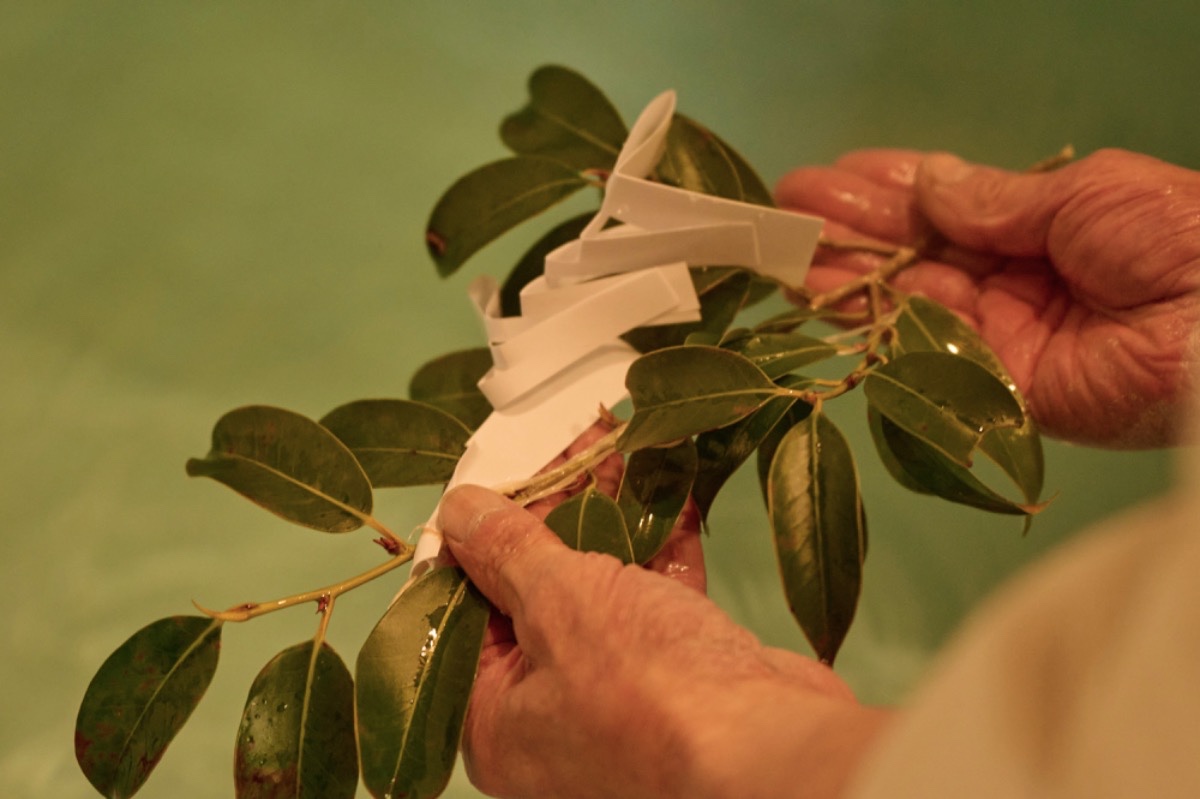
Bridging the Divine and the Devotee
An Oshi is a Shinto priest who serves as an intermediary, connecting the divine with the people. They play a vital role in delivering prayers and wishes to the deities through the recitation of norito (Shinto prayers). These prayers, often heard during ceremonies such as purification rituals, Shichi-Go-San, weddings, and ground blessings, deepen the connection between worshippers and the divine while offering a sense of warmth and spiritual comfort.
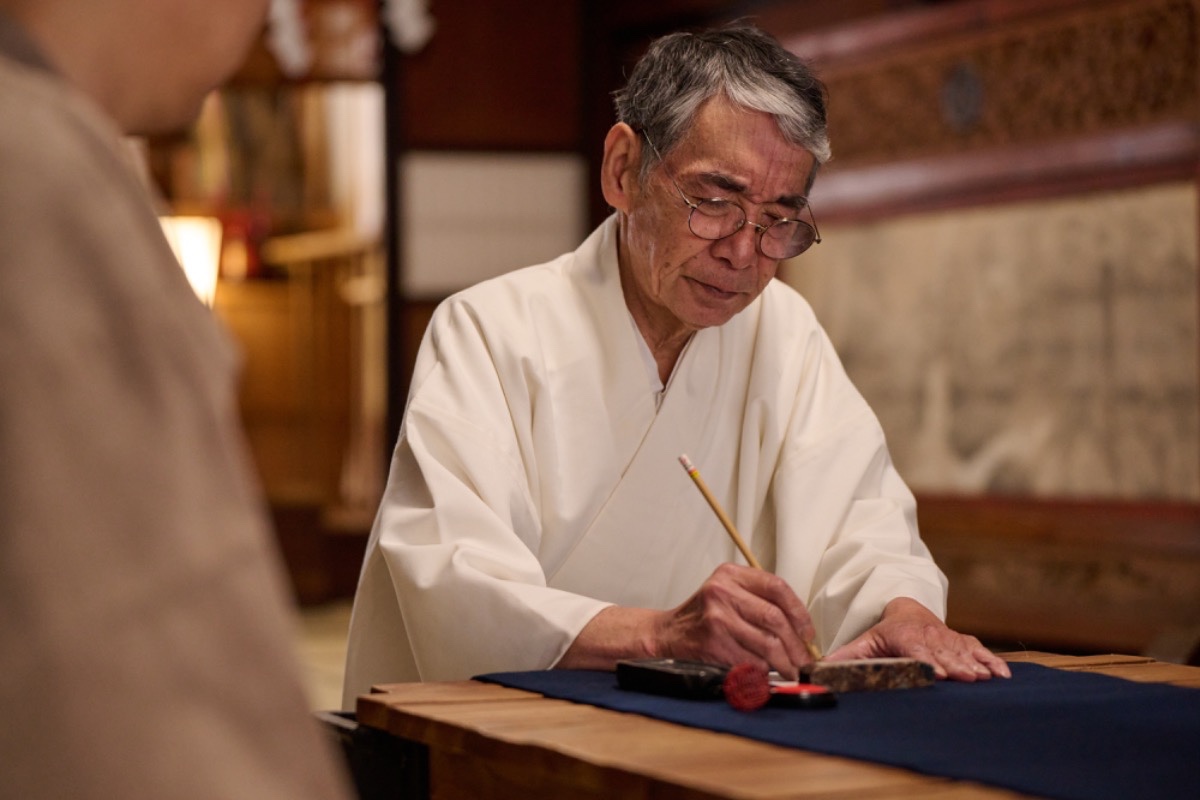
A Tradition of Ofuda Distribution Across Generations
Oshi serve as Shinto priests of the shrine, carrying out a wide range of roles. In addition to performing prayers for worshippers, they guide visitors around the area and care for those staying at the shukubo. In the past, they also traveled across different regions, distributing ofuda talismans and spreading devotion to the shrine, much like missionaries of faith.
This tradition continues today. From autumn through spring, they descend the mountain and visit each household belonging to the kosha—local groups of people united by their devotion to the shrine—personally handing over the ofuda. Though its form has changed over time, the practice remains a testament to the bonds of faith that connect the shrine and its worshippers.
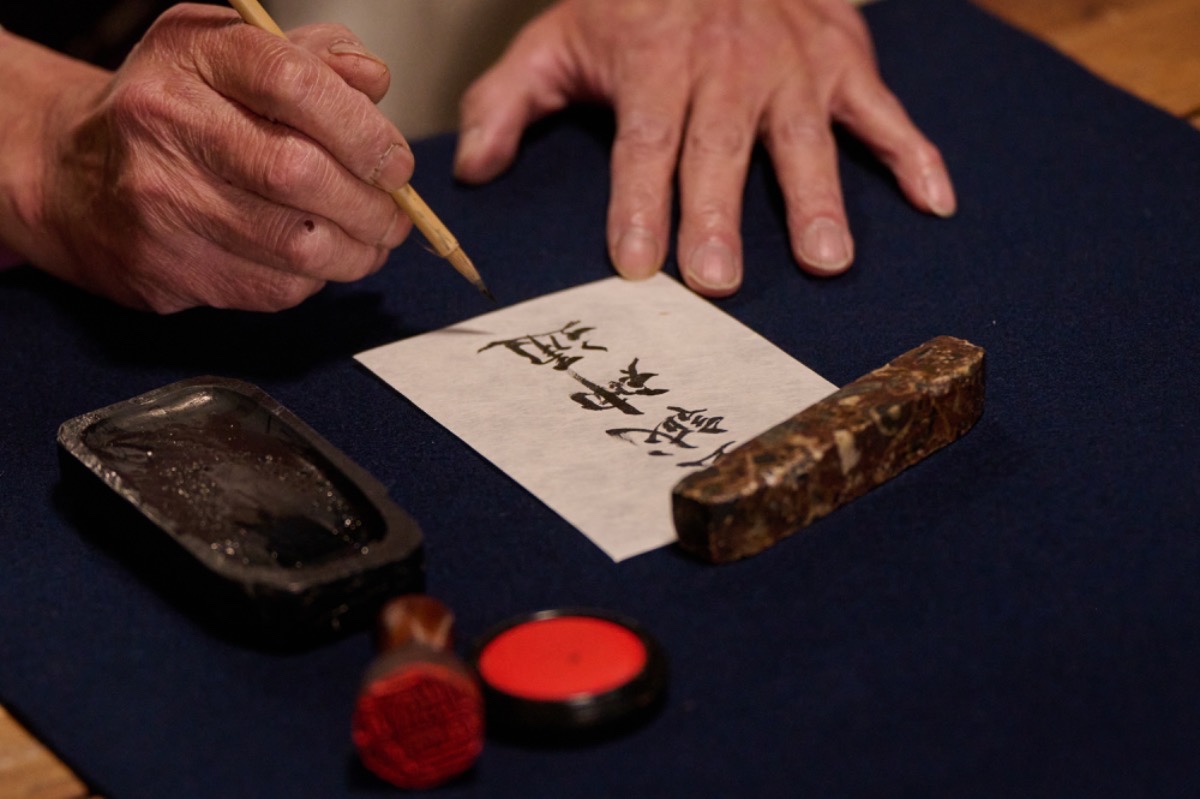
A Unique Place Where Faith and Daily Life Intersect
On Mt. Mitake, about twenty shukubo, including HIGASHIBABA, are scattered across the area. Nearly one-third of the residents are oshi, making it a place unlike any other.
Despite being located on a mountaintop, people continue to live here, and a culture where faith and daily life are closely intertwined still thrives. This environment offers visitors a glimpse into the depth of Japanese traditions and the enduring bonds of the local community.
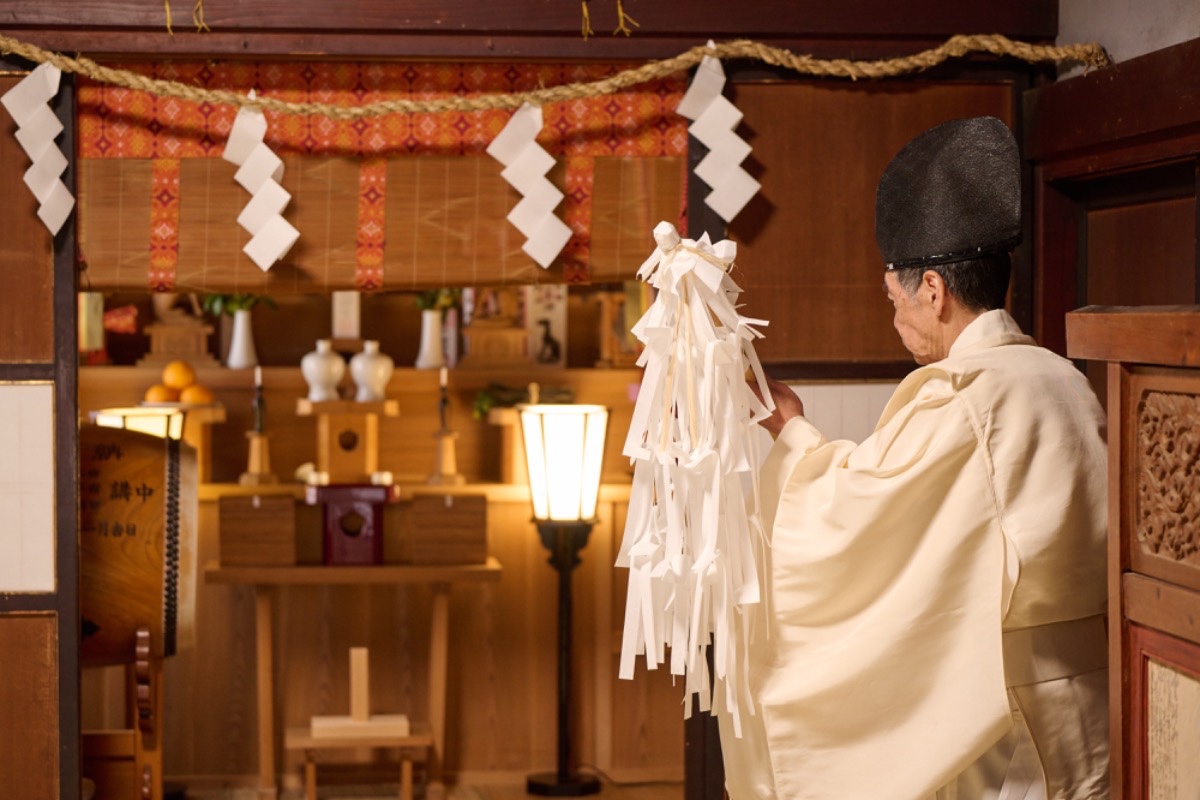
Gagaku Performed by the Oshi
The Oshi also carry on traditional performing arts, adding a refined atmosphere to sacred rituals. At HIGASHIBABA, the 14th generation plays the ryuteki, while the 15th generation plays the hichiriki—both instruments of gagaku, traditional Japanese court music. Their sounds further enrich the sacred space.
These performances go beyond the role of oshi as shrine priests; they also embody the responsibility of preserving and passing down cultural traditions that have been handed down for centuries.
A Sacred Dance Passed Down Through Generations
Daidai Kagura, a sacred kagura dance performed at Musashi Mitake Shrine, has been passed down since the Edo period and is registered as an Intangible Folk Cultural Property of Tokyo. Kagura is a traditional Shinto ritual dance offered to the deities.
The Oshi of HIGASHIBABA often perform the role of Sarutahiko-no-Mikoto, the deity who opens the way. Their dance is filled with both strength and mystery.
Bringing a profound sense of reverence to the ritual setting, this performance stands as a symbol of the faith and cultural heritage of Mt. Mitake and continues to move all who witness it.
What is a Totonoshi?
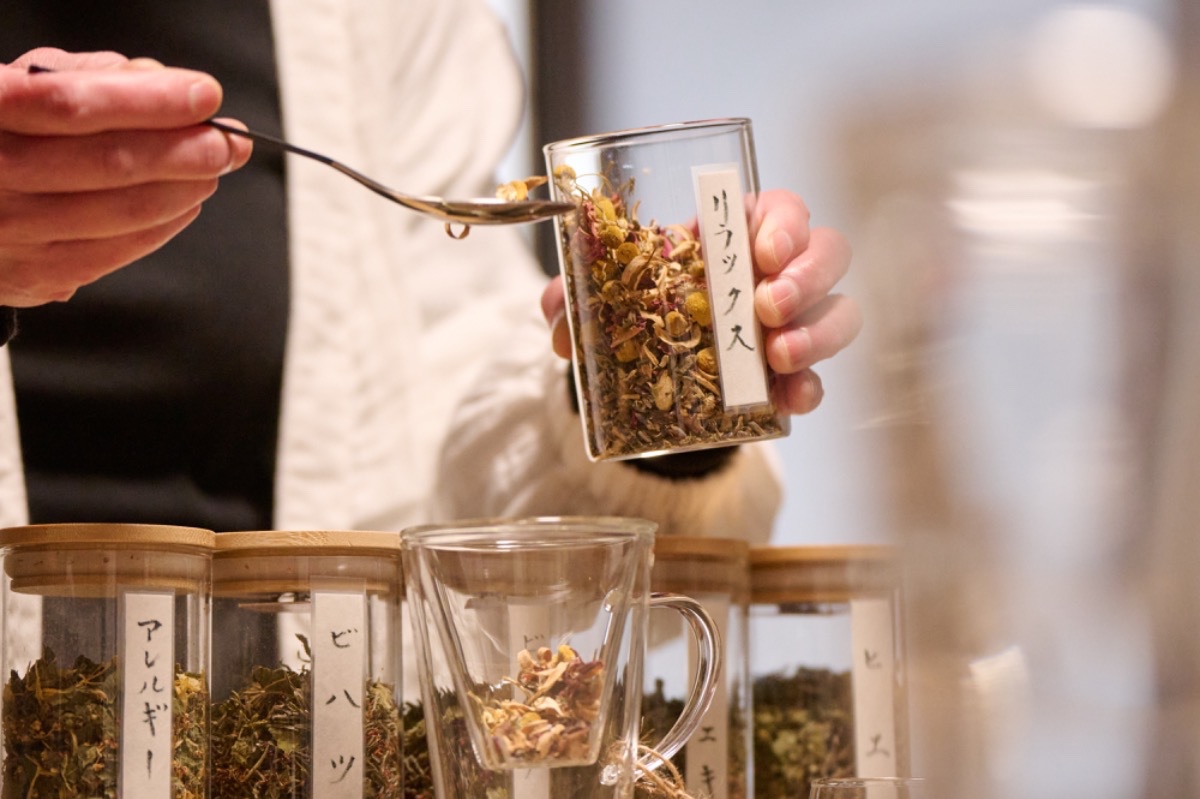
The Birth of a Title Found Only Here
The title Totonoshi was created at HIGASHIBABA as a new term to express a role that exists nowhere else.
For some time, the HIGASHIBABA family felt a sense of discomfort with being called Okami or Waka-Okami. Those traditional titles did not fully reflect the role they hoped to play or the spirit behind their approach to hospitality.
The title Totonoshi was therefore created to represent a new role—one that allows a deeper connection with each guests.
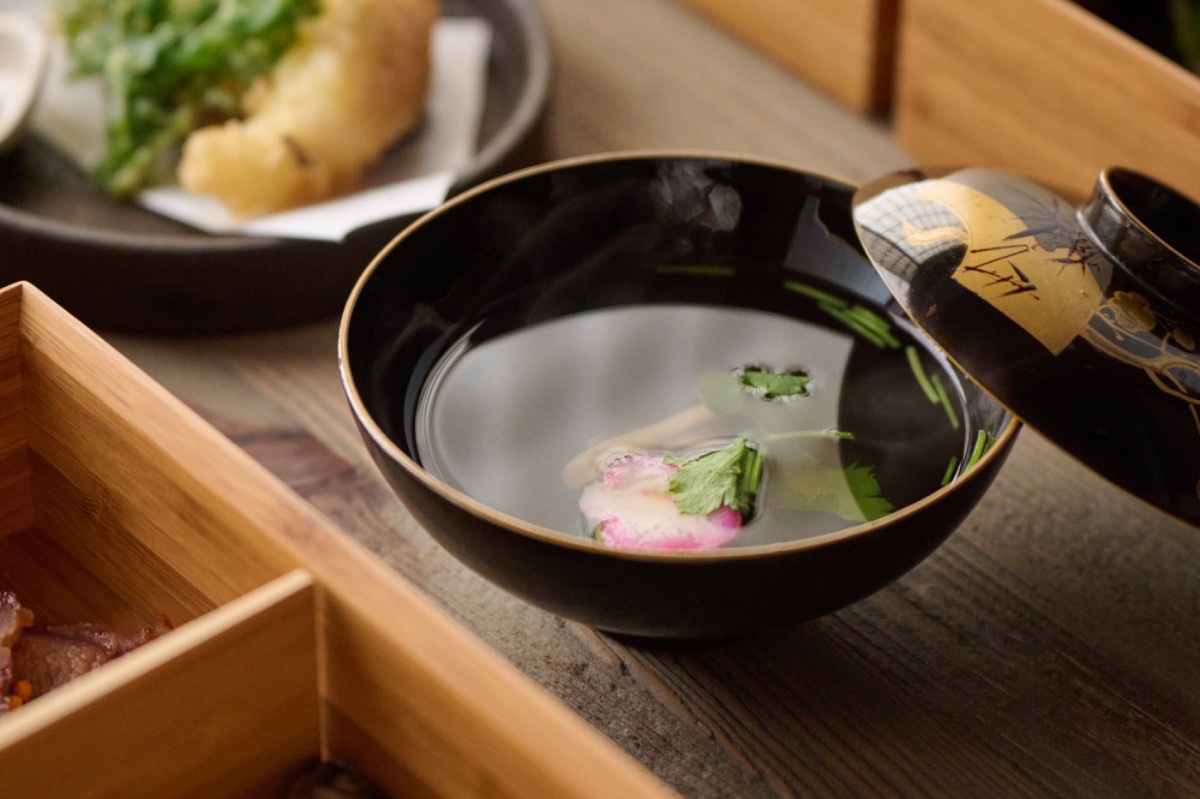
Guiding Mind and Body into Harmony
Totonoshi guide guests toward a gentle balance of mind and body. Drawing on knowledge of herbs, the power of nature, and heartfelt hospitality through home-cooked meals, they help guests settle into a state that feels “just right.”
Rather than striving for perfection, their role is to nurture a comfortable sense of harmony—much like tuning a musical instrument.
During your stay, they may suggest ways to spend your time here or experiences that best suit your state of mind and body in that moment.
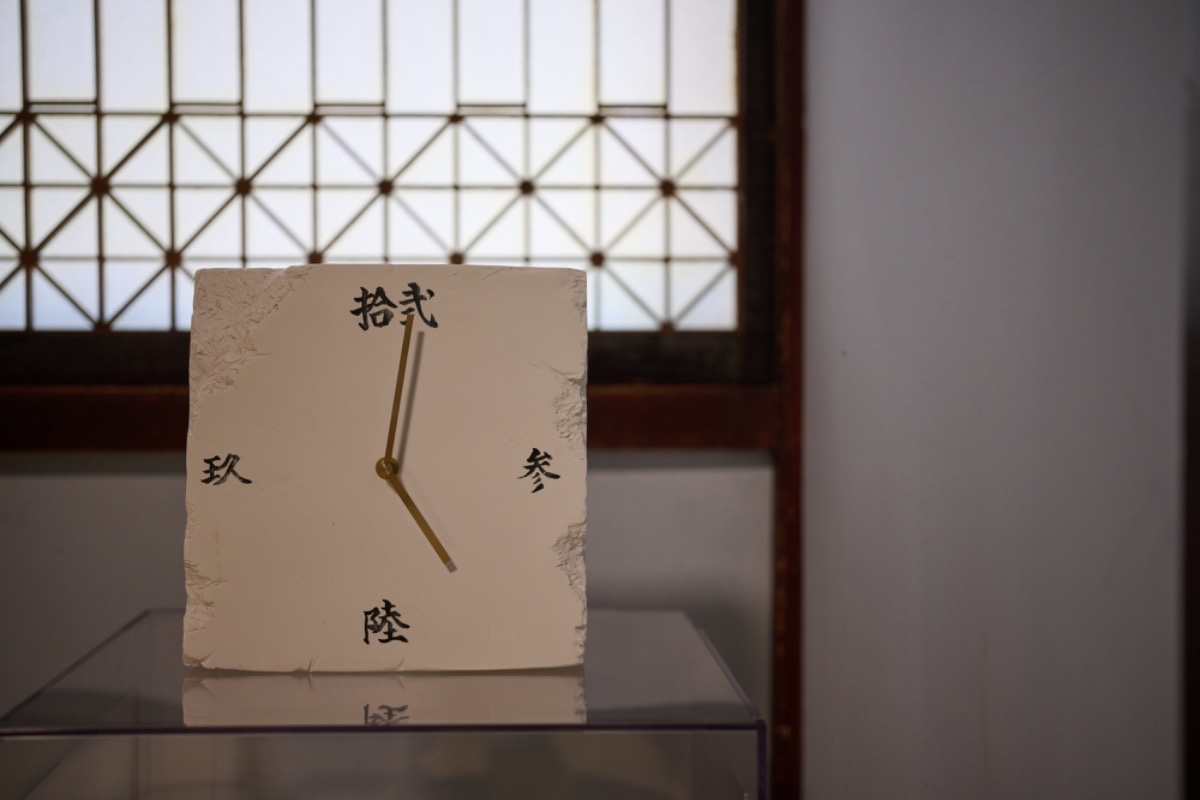
A Role Shaped for the Future
Totonoshi are not simply hosts. They accompany guests as they step away from the flow of daily life and reconnect with their own natural sense of balance.
The name Totonoshi was given to a spirit that has long shaped how this shukubo welcomes its guests. While honoring that essence, the role continues to evolve with the times—remaining a place where guests can quietly reconnect with what feels “just right” for them.
About Mt. Mitake
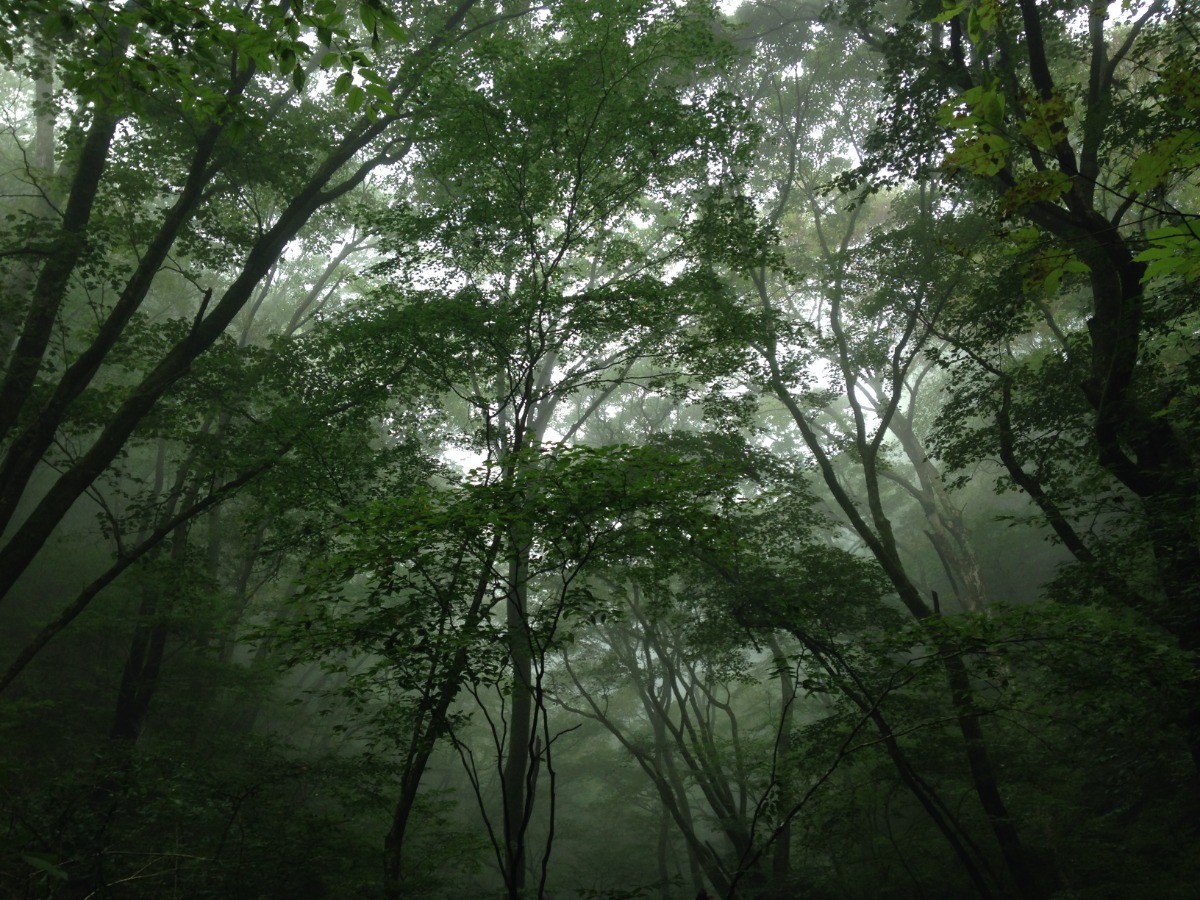
Walking Through the Sacred Forest of Mt. Mitake
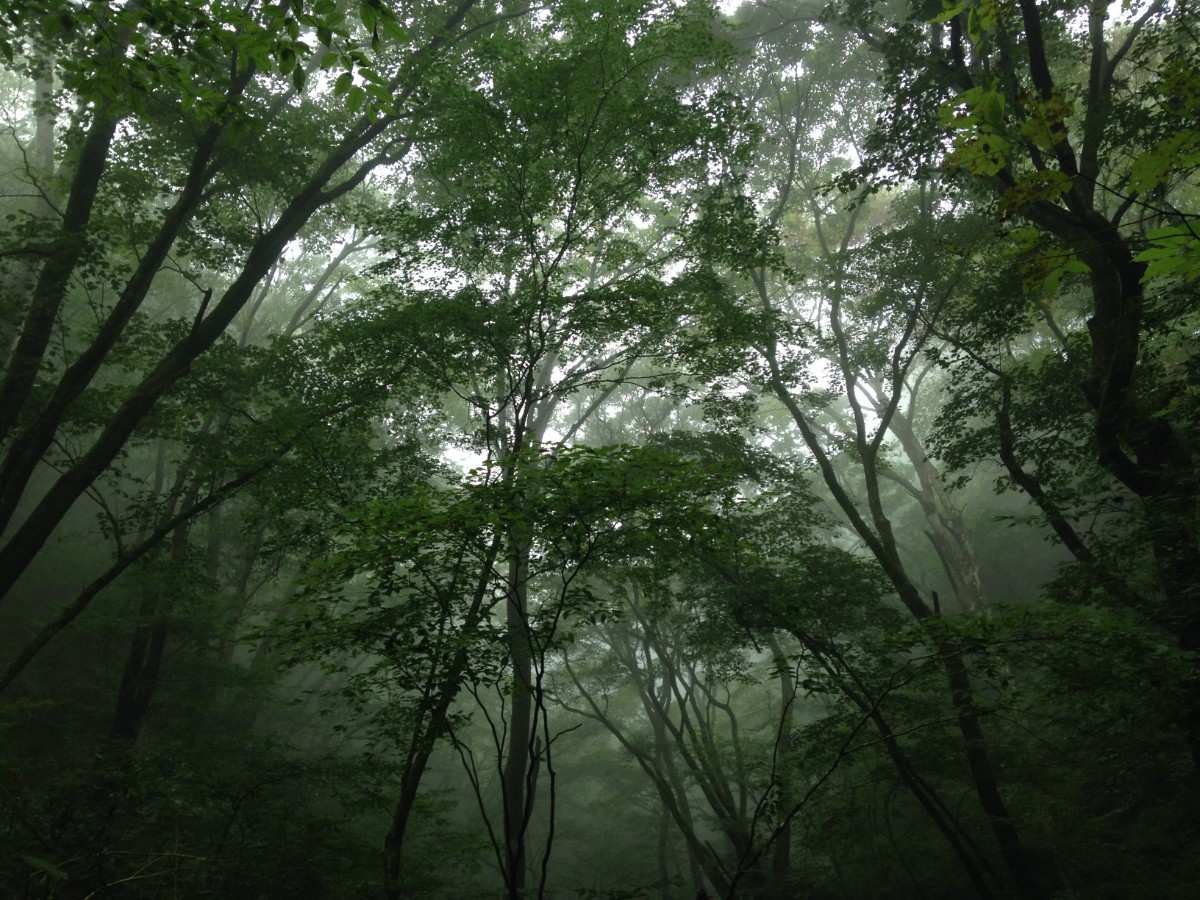
On Mt. Mitake, forests long protected as sacred land stretch quietly across the mountain. Moss-covered stones and ancient trees, shaped by centuries of time, stand in stillness, accompanied by the gentle sound of flowing water.
Fresh green in spring, deep foliage in summer, vibrant colors in autumn, and the clear air of winter—
with each passing season, the forest reveals a different face.
Walking through this landscape of remarkable natural richness—hard to believe it lies within Tokyo—the noise of everyday life fades away, and you find yourself wrapped in a quiet stillness, as if standing just outside the flow of time.
The Mystique of Rainy Days
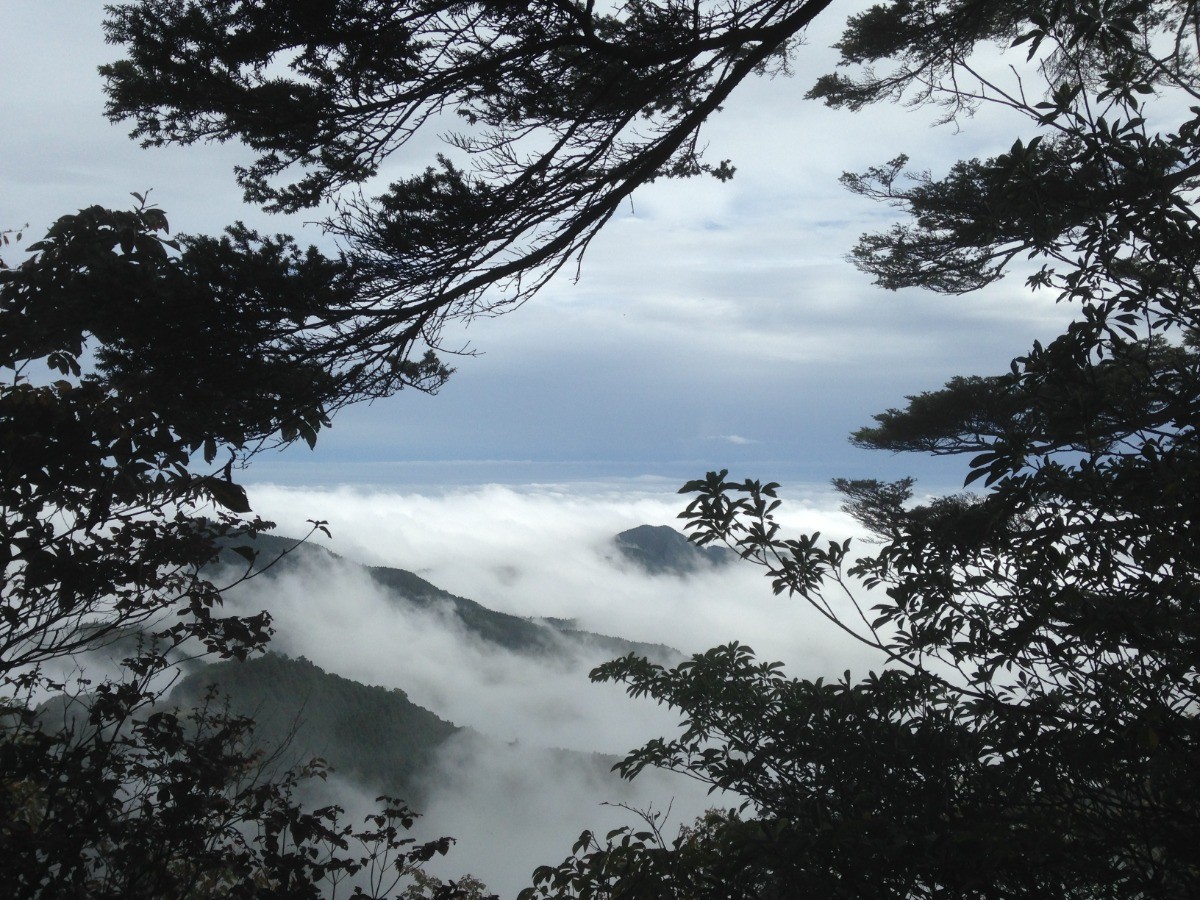
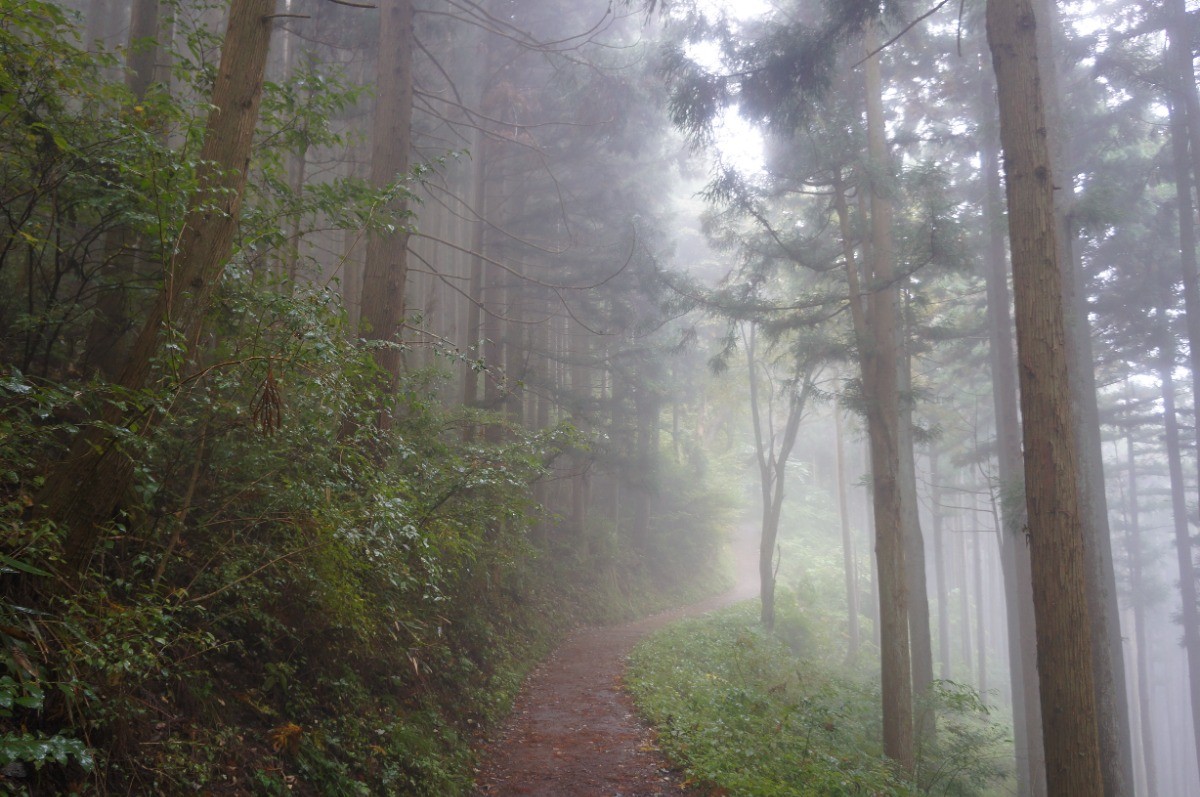
On rainy days, Mt. Mitake becomes wrapped in mist, creating an atmosphere that feels almost like stepping into another world. Droplets cling to trees and moss-covered stones, glimmering softly, while the gentle sound of rain echoing through the silence brings a deep sense of calm.
Here, a rainy day is not a disappointment but a quiet stroke of luck—an opportunity to witness a landscape entirely different from that of clear skies. Veiled in mist, the forest reveals a tranquil beauty seen only by those who arrive on such days.
The Presence of Life in the Mountain
On Mt. Mitake, many wild animals still live quietly among the trees. As you walk along the trails, you may catch sight of a Japanese serow—designated a Natural Monument—standing with a calm, dignified presence, or glimpse a flying squirrel gliding through the night.
Sensing the presence of people, they quickly disappear back into the forest. Yet that fleeting encounter quietly reminds you that many lives still dwell within this mountain.
Moments like these—when you sense the subtle presence of life—gently reveal the richness of nature that continues to thrive here.
Where Stars Meet the City Lights
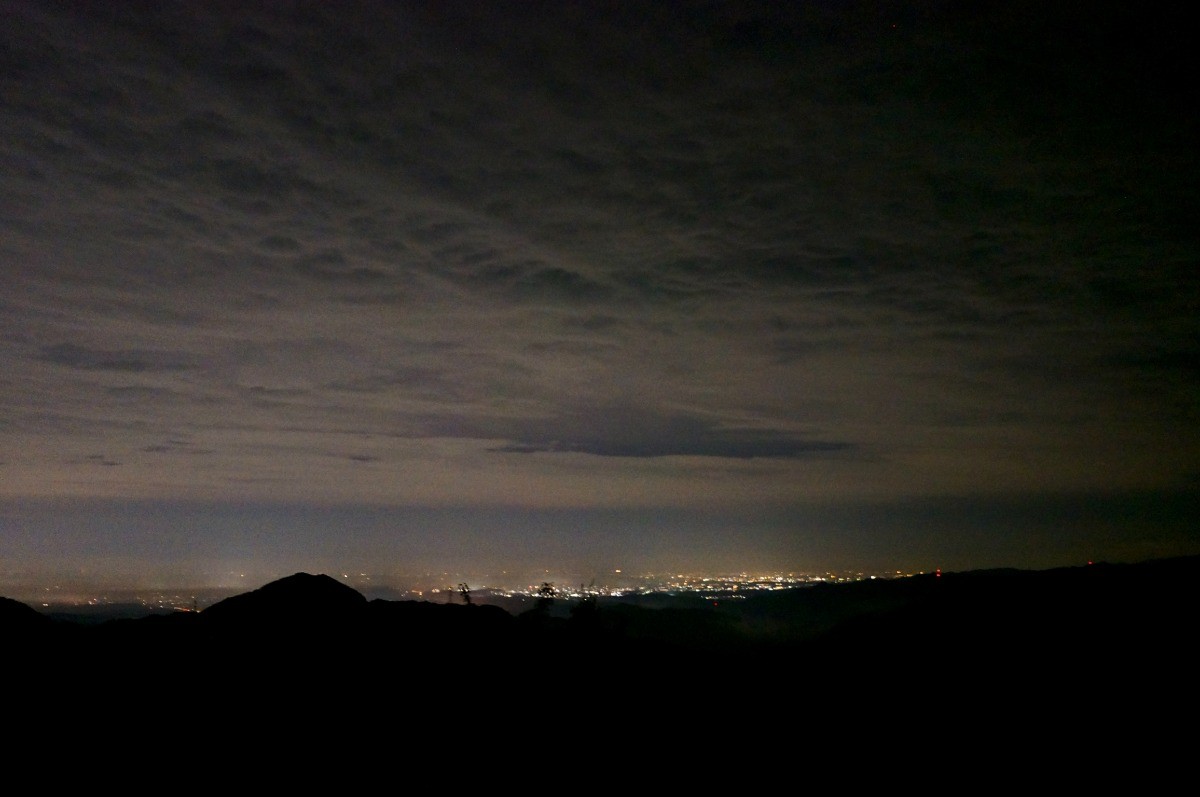
At night, from scenic viewpoints on Mt. Mitake, you can look up at a star-filled sky while the lights of cities—from Tokyo to Kamakura—stretch out across the horizon. Above, the quiet glow of stars fills the sky; below, the distant lights of the city shimmer softly.
Places where stars and city lights share the same sky are rare in Tokyo. This striking contrast reveals a different side of the mountain after dark, creating a night scene found only on Mt. Mitake.
Emerald Waters at the Foot of the Mountain
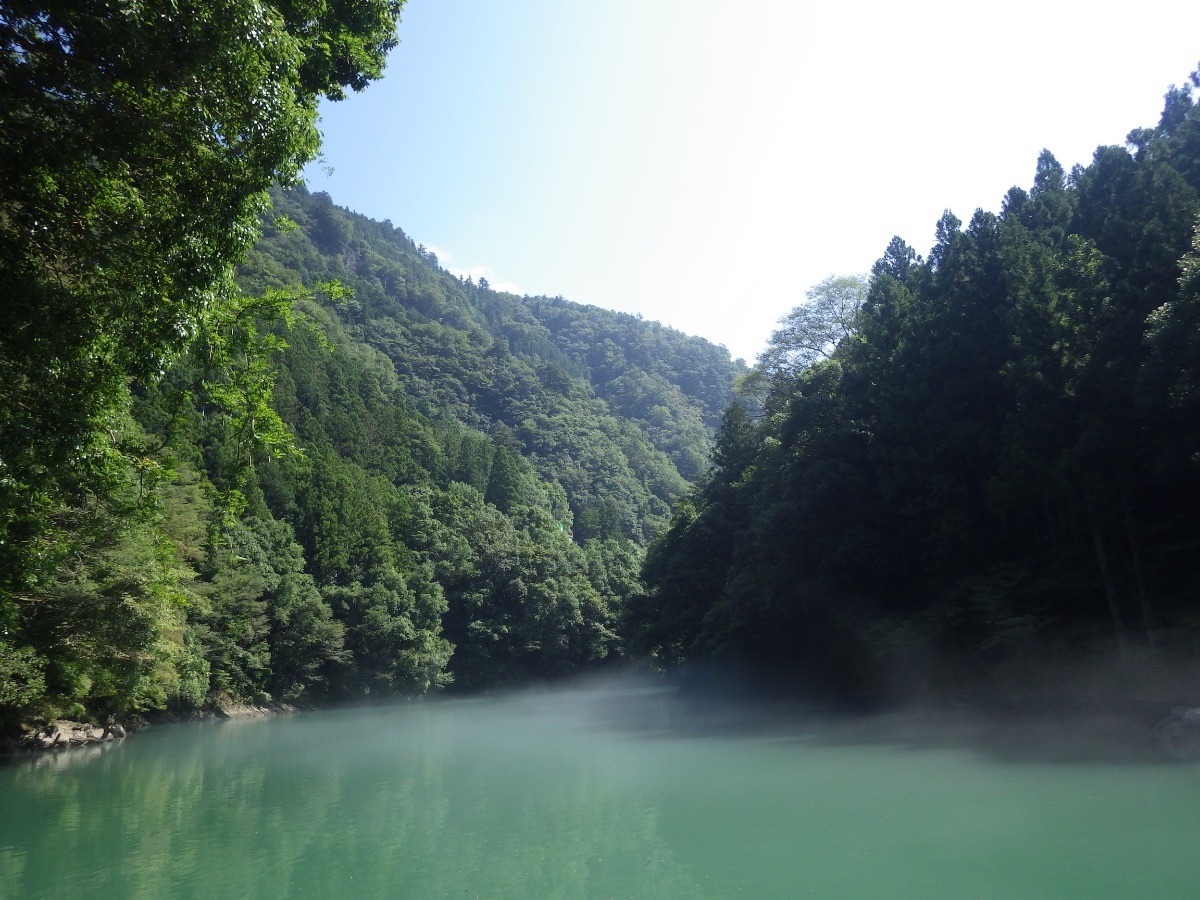
At the foot of Mt. Mitake lie Lake Shiromaru, known for its crystal-clear waters, and the beautiful upper reaches of the Tama River. The lake and river glow with a translucent emerald green, creating a tranquil waterside landscape that makes it easy to forget you are still in Tokyo.
Here, visitors can also enjoy river activities unique to the Tama River, including rafting, canoeing, and stand-up paddleboarding (SUP). These experiences reveal another side of nature, different from the quiet stillness of the mountain.
Getting here
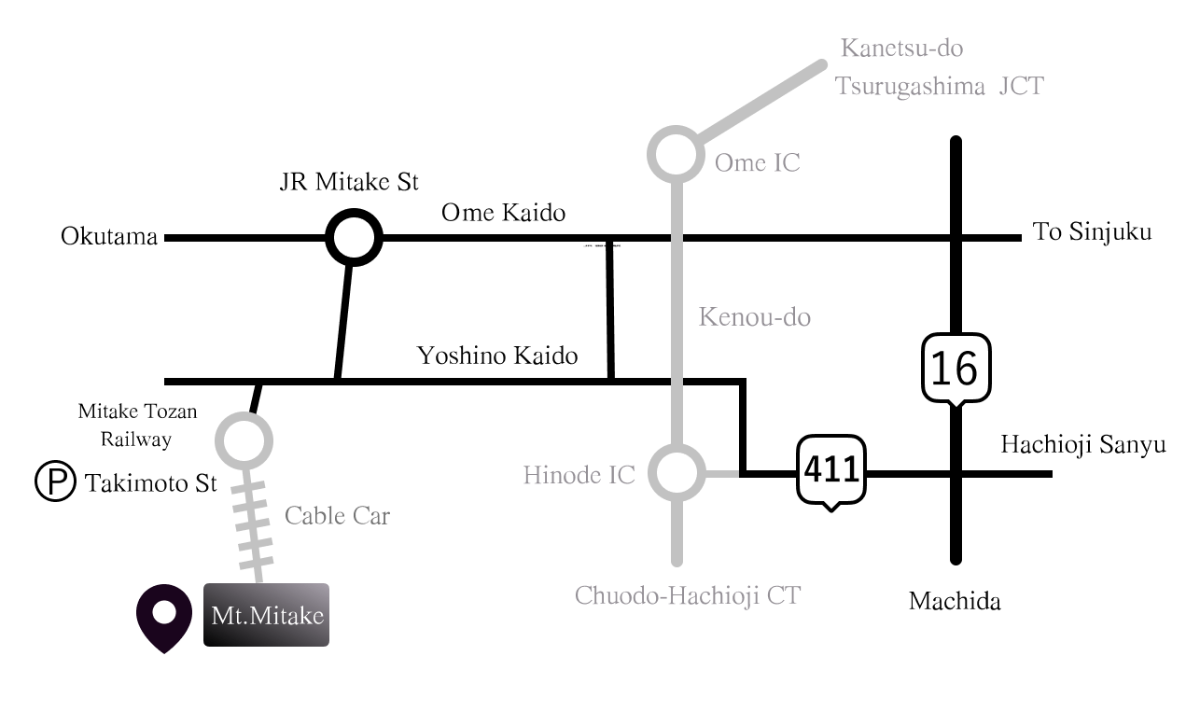
By car
・Chuodo route・
1. Hachioji-IC to Takimoto station (60 min)
2. Take a cable car (Mitake Tozan Railway) from Takimoto cable car station to Mitakesan cable car station (6 min), or walk up the mountain path from Takimoto cable car station to Higashibaba (60 min)
3. Walk from Mitakesan cable car station to Higashibaba (10 min)
・Kenodo route・
1. Hinode-IC to Takimoto station (40 min)
2. Take a cable car (Mitake Tozan Railway) from Takimoto cable car station to Mitakesan cable car station (6 min), or walk up the mountain path from Takimoto cable car station to Higashibaba (60 min)
3. Walk from Mitakesan cable car station to Higashibaba (10 min)
By train
1. Get off at Mitake station (JR Ome line)
2. Take a bus (Nishi-Tokyo Bus) from Mitake station to Cable shita station (10 min)
3. Take a cable car (Mitake Tozan Railway) from Takimoto cable car station to Mitakesan cable car station (6 min), or walk up the mountain path from Takimoto cable car station to Higashibaba (60 min)
4. Walk from Mitakesan cable car station to Higashibaba (10 min)
Facility Information
Access
TOKYOOME-SHI54 MITAKESAN
Important Notes
Check-in / Check-out
Check-in
13:30 ~ 14:00
Check-out
~10:00
Policy
Cancellation Policy
Children's Policy
Facilities & Services
Room Facilities & Amenities
Amenities / Facilities / Bathroom
Facilities & Services
Food Facility / Pool・Spa
Facility Precautions
Can I stay with my pet?
As the building is registered as a Tangible Cultural Property of Tokyo, we kindly ask guests to refrain from bringing pets in order to preserve the property.
Can children stay?
As some activities, such as the outdoor sauna and herbal experiences, are designed for adults, we kindly ask that children aged 12 and under do not stay. Guests aged 13 and above are welcome. Guests under 18 must be accompanied by a parent or guardian.
Do you offer room-only stays?
We do not offer room-only stays.
How many people can stay?
As we accept only one group per day, the minimum number of guests is 2. To ensure a comfortable stay, the maximum number of guests is 4.
Is there parking available?
If you visit us by car, you can drive to Takimoto Cable Car Station at the foot of the mountain. From there, you will need to take the cable car (6 minutes) or walk (approximately 1 hour) to the top. We do not have a private parking lot, but there is a toll parking lot next to Takimoto Cable Car Station. Please note that the number of parking spaces is limited during busy periods. Guests staying at the shukubo are eligible for a discount at this parking lot only. Please present your parking ticket upon arrival.
Is the facility barrier-free?
As the building dates back to the Edo period, it is not barrier-free. Please note that there is a large step at the entrance.
Is there a TV in the room?
To allow guests to fully enjoy the natural sounds and quiet of the mountain, there are no TVs in the guest rooms.
Are alcoholic beverages available?
Beer, local sake, and canned cocktails are provided in the refrigerator. Payment is to be made at check-out.
Can I purchase food or drinks?
Dinner and breakfast are included in the accommodation fee. Complimentary water and tea are provided in your room. A limited selection of drinks and light meals from the tea house menu, as well as bottled beverages such as oolong tea and Ion Water, are also available for purchase.
Can you accommodate food allergies?
We will do our best to accommodate allergies, so please inform us at the time of booking. However, as all meals are prepared in the same kitchen, we cannot guarantee the complete removal of allergens.
Can you accommodate dietary restrictions for religious reasons?
We will do our best to accommodate your needs—please inform us at the time of booking. Please note that all meals are prepared in the same kitchen.
Can I make a reservation by phone?
We are sorry, but reservations by phone are not accepted. As totonoinototo is an experiential stay in which activities unfold over time, we ask that guests review and understand the details before making a reservation. Reservations can only be made through this booking site.
Are Totonoi Activities charged separately?
All Totonoi Activities during your stay are included in the accommodation fee.
Do I need warm clothing?
As the property is located in a mountainous area, temperatures can be around 6°C lower than in central Tokyo. Even in summer, evenings can be cool, so we recommend bringing layers. In winter, the building can become quite cold due to its traditional structure, so please dress warmly. If arriving by car in winter, please ensure your vehicle is equipped with snow tires.
Will my mobile phone work?
Mobile reception is generally available, but it may be weak in some areas due to the mountain location. Free Wi-Fi is available at the property.
Are there convenience stores or ATMs nearby?
There are no convenience stores or ATMs on the mountain, so please plan accordingly.
Can I use the sauna only?
The sauna is part of the experience and available to overnight guests only.
What should I wear for the outdoor sauna?
As the sauna is outdoors, local regulations prohibit use while naked or in swimwear. Please wear a quick-drying T-shirt and shorts. Limited rental items are available—please inform us in advance if needed.
Are there many insects?
As this is a mountain environment, there are many insects. If any enter your room and you are uncomfortable, please let us know and we will assist you.
Are there wild animals in the area?
Yes, various wildlife such as serows, flying squirrels, deer, martens, and raccoon dogs inhabit the area.
Is smoking allowed?
Smoking is prohibited inside the building. If you wish to smoke, please do so outside, away from the building, and bring a portable ashtray.
Can I leave my luggage before check-in or after check-out?
We can store your luggage within reasonable limits. Please contact us in advance.
Can I choose the Totonoi Activities?
As the activities are designed to unfold along the flow of time, they cannot be selected individually. However, the Totonoshi may adjust the experience according to the weather and your condition on the day.
Why are there no plans without activities or room-only stays?
At HIGASHIBABA, we value the way of Nakaima—quieting the mind in the here and now—and offer experiences that unfold along the flow of time. As we welcome only one group per day, each stay is carefully attuned to the individual, so that guests may arrive and depart in a state of natural ease. For this reason, stays without activities or room-only plans are not offered, and all guests are welcomed through totonoinototo.
Is English support available?
Basic English support is available. However, as only some members of our family are able to communicate in English, we may not always be able to provide full assistance. Thank you for your understanding.
What should I bring?
We recommend comfortable clothing suitable for movement and layering. What should I bring? We recommend comfortable clothing that allows for layering to adjust to changing temperatures. For the outdoor sauna, please wear a T-shirt and shorts. Rental items are available in limited quantities—please inform us in advance if needed. If you plan to walk on the mountain, we recommend proper footwear such as hiking shoes.
Can I stay alone?
Single guests are welcome; however, as only one group is accepted per day, the rate for two guests will be charged. Please make your reservation as two adults.
What happens if I arrive late?
As the experience follows a set flow, arriving late may result in missing some activities. Please let us know in advance if you expect to be late.
Is there a cancellation policy?
Cancellation fees apply from 7 days prior to your stay. Please refer to the reservation page for details.
Can I cancel due to weather?
If it is unsafe to travel due to severe weather such as typhoons or heavy snow, cancellation fees will not be charged. In such cases, we will contact you directly.
Will activities change depending on the weather?
Some activities may be changed or canceled depending on weather or seasonal conditions. In such cases, alternative experiences will be offered based on the natural conditions and your state on the day.
What payment methods are accepted?
Reservations require advance payment. On-site payments (for drinks or shop items) can be made using: • Visa / Mastercard • UnionPay • JCB / American Express / Diners Club / Discover • IC transit cards • iD / QUICPay • Alipay+ / WeChat Pay • UnionPay (QR) • COIN+ / d払い / PayPay / Rakuten Pay / Smart Code
What is a Shukubo?
A traditional lodging for visitors to shrines or temples. HIGASHIBABA is one of the Shukubo serving Musashi Mitake Shrine.
What is an Oshi?
“Naka-torimochi” — a bridge between the divine and people. A traditional role of Shinto priests serving the shrine, guiding and hosting worshippers
What is a Totonoshi?
A role unique to HIGASHIBABA, gently guiding you toward a “just right” state through knowledge of herbs and nature.
What is totonoinototo?
Inspired by the Shinto concept of “Nakaima,” a stay where activities unfold over time, gently guiding you toward a “just right” state.
What kind of stay is it?
A private, one-group-per-day experience. All experiences are included in your stay.
Who is this for?
When things don’t quite feel right, when you feel the need to pause, when you want to shift the flow of your life, this stay is for you.
Is it a strict, training-like experience?
It is not. It is a calm and comfortable experience, even for first-time visitors.
Do I need to follow any special customs?
No special customs are required. We will gently guide you through shrine etiquette.
Who will be guiding my stay?
A warm and approachable HIGASHIBABA family of shrine priests, living here. With a lineage spanning over 400 years, said to descend from one of the Four Generals of Takeda Shingen.
Do the HIGASHIBABA family live here?
The building serves as both a Shukubo and a private residence, with separate guest and living areas. We live here while welcoming guests.
How many activities are there?
In addition to the core ten, we offer many more. They are adjusted depending on the day and your condition.
What is the meaning behind the name “トトノヰノトト (totonoinototo)”?
It is a palindrome, expressing a gentle flow over time as one comes into balance. The word totonoi suggests not perfection, but finding a “just right” state. The central character “ヰ” reflects the idea that comfort can exist within imperfection.
What is the elevation of HIGASHIBABA?
It is located at 816 meters above sea level, higher than Tokyo Skytree (634 meters).
How old is the building?
It was built in 1866 (Keio 2) In earthquake-prone Japan, this is considered quite old.
Can I still enjoy my stay on a rainy day?
Yes, rainy days can be just as enjoyable. On Mt. Mitake, the rain often brings a deep mist, creating a quieter and more mystical atmosphere. Among the totonoi activities, there are also special moments offered only on rainy days.